 Skip to content
Thou art Peter; and upon this rock I will build My Church, and the gates of hell shall not prevail against it. - Mt. 16:18

Writings of the Popes of the Early Church
The purpose of this site is to present, unaltered, the writings of the Popes of the first eight centuries. Their letters, exhortations, and the communications of the various bishops, patriarchs, and emperors with the Apostolic See.
The primacy, authority, and sense in the early Church of the true status of the Successor of Peter becomes clear and irrefutable.
This is an on-going project.
Choose a Pope to View His Writings
Pope Leo I
(440-461)
Pope Hilarius
(461-468)
Pope Simplicius
(468-483)
Pope Felix III
(483-492)
Pope Gelasius I
(492-496)
Pope Anastasius II
(496-498)
Pope Symmachus
(498-514)
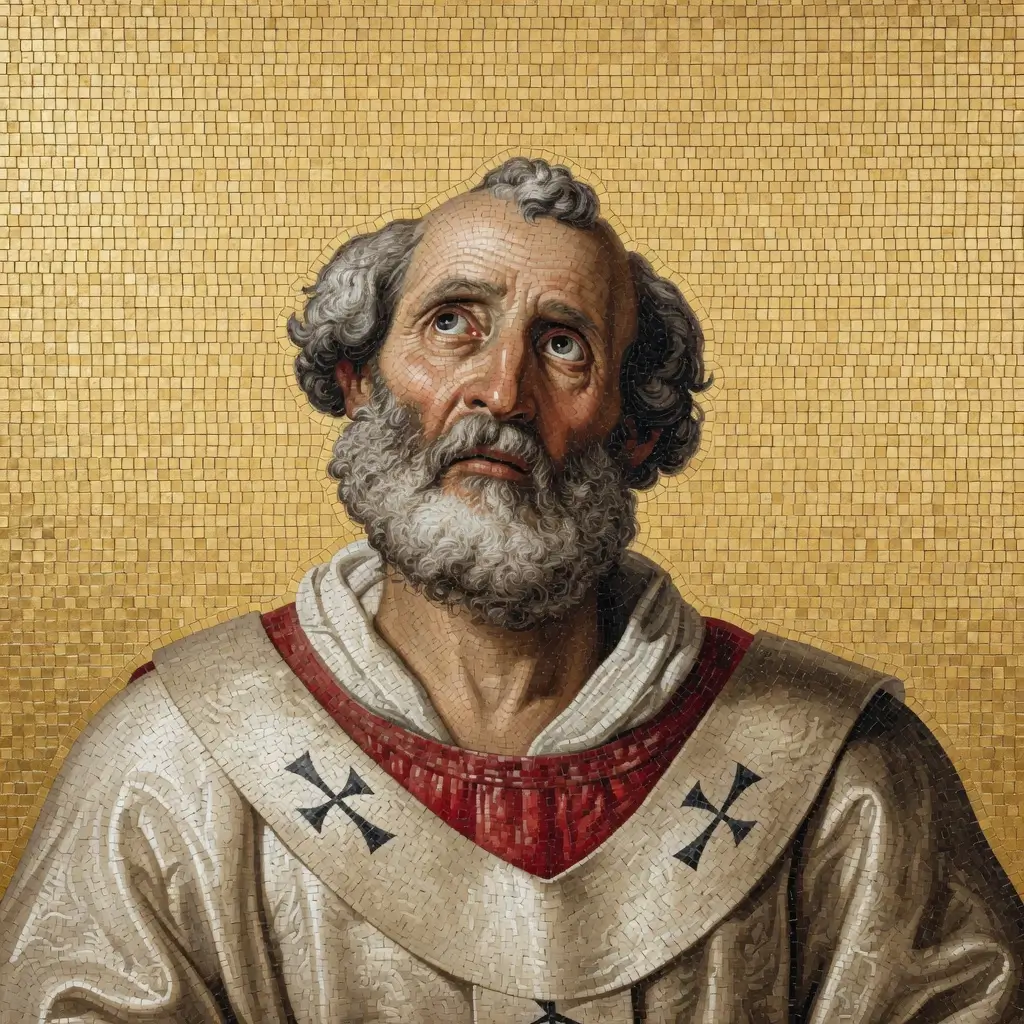
Pope Hormisdas
(514-523)
Most Recent Additions
Ennodius of Pavia commends to Pope Symmachus a blessed sublime youth, the bearer of the present letter, opening with the formulation that he who recommends pilgrims to the Father of all does not ask in vain, asserting that recognition is owed to the noble of birth especially among those who bestow benefits on the unasked, and asking that Symmachus’s crown deign to receive him so that the office of the youth may be adorned by Symmachus’s grace.
Ennodius of Pavia commends to Pope Symmachus a noble youth seeking literary studies at Rome, opening with the formulation that he who recommends pilgrims and orphans to the Father of all provides what is necessary, since the sole path is the consolation of the pope’s apostolate which heals those who are foreign — a noble-born youth bringing the testimony of his ingenuity to the studies of Rome.
Ennodius of Pavia, recalling the past services of his official duties to Pope Symmachus, commends Parthenius — son of his own sister and a noble youth seeking studies at Rome — to the pope’s care, opening with the striking primacy formulation that Symmachus moderates the Apostolic See by the care of his crown and governs the summit of the heavenly empire, and noting that the Apostolic See is during this period of temporal turbulence the singular refuge for the studies of liberal letters.
Ennodius of Pavia commends to Pope Symmachus the sons of Laurentius the Sublime — a man whose own probity and paternal prudence already advance his children’s affairs but whose paternal solicitude reaches beyond what his merits suffice for — asking the pope to graciously accept the affection toward these children that his beatitude has already named, that the prayers of the anxious father may be exceeded for them.
Ennodius of Pavia writes to Pope Symmachus to give thanks for the apostolic dignity by which the pope has promoted him, recalls a promise the pope had made on behalf of the heirs of the deceased Marius during Ennodius’s earlier visit to Rome, and asks the pope to complete that promise by his kind disposition — praising the dispensation of the saints which holds nothing back and which finds its proper merit by giving everything to those in need.
Ennodius of Pavia, Milanese deacon, writes to Pope Symmachus to submit himself in obedience, praising the ever-watchful pastoral care of the Apostolic See which attends to the obedient as though they stood face-to-face wherever they are placed, and forwards by accompanying letters the judgment of his own bishop on a legation directed to the pope.
